 Manchester United Women
In the realm of sports, moments often define the trajectory of a club, and for Manchester United Women, the pivotal decision to establish a dedicated women’s team in 2018 stands as a testament to the club’s progressive commitment to equality and inclusivity in football. This moment was not just about launching a team; it was about reshaping perceptions and creating a legacy for future generations of female footballers.
For many years, Manchester United, one of the most storied clubs in football history, had a long-standing absence in the women’s game. While other clubs were cultivating their women’s sides and contributing to the growth of women’s football, the Red Devils were notably absent from the landscape, which was a point of contention among fans and advocates for women’s sports. However, as the conversation around gender equality in sports gained momentum, the club began to reconsider its position.
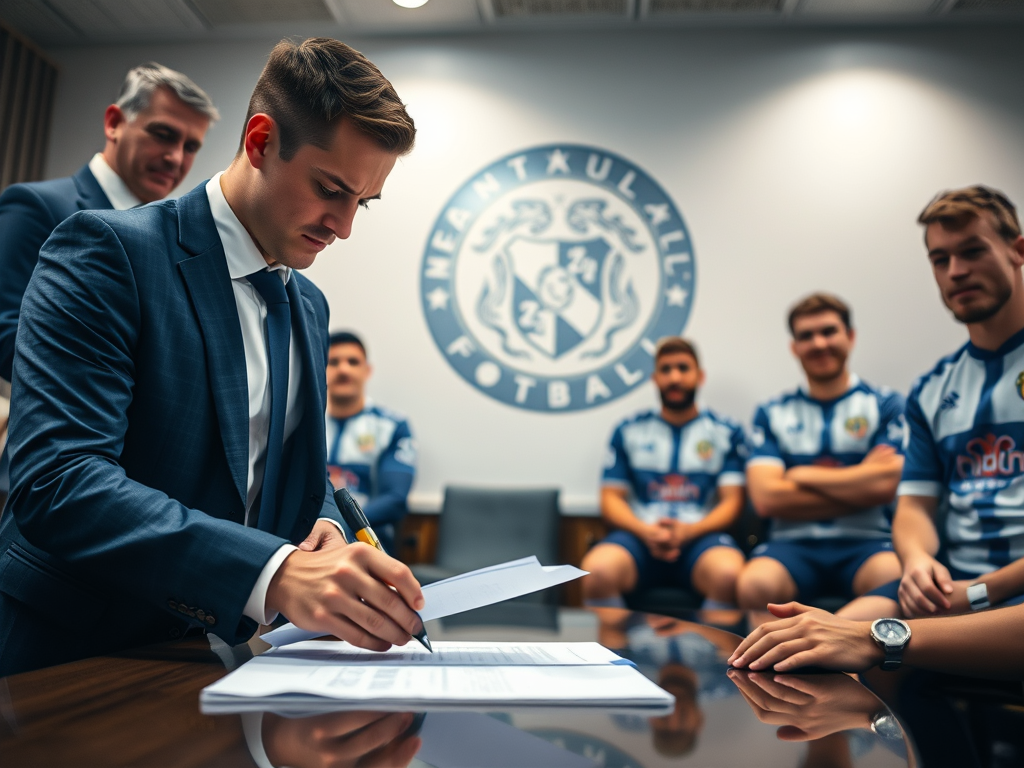
The announcement in 2018 that Manchester United would be forming a women’s team was received with jubilation among supporters. It was a moment that resonated deeply within the community, as it represented not just a team creation, but a recognition of the importance of women’s football in the wider sporting culture. The club appointed former England international Casey Stoney as the head coach, making it clear that they intended to invest seriously in the team and its future.
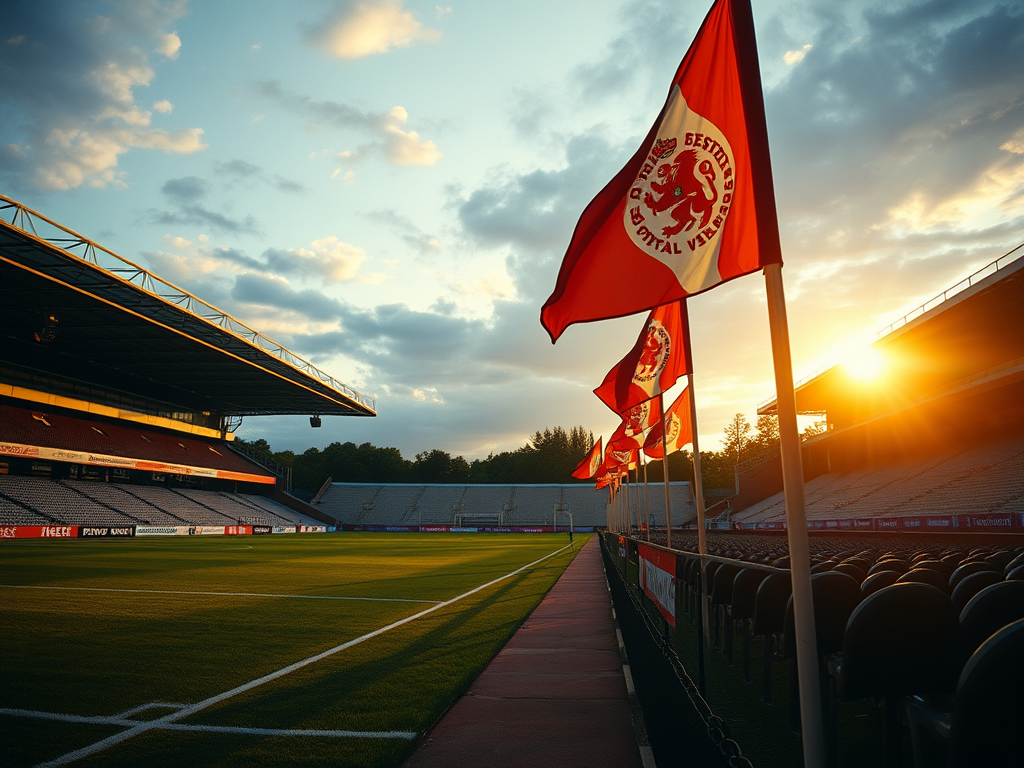
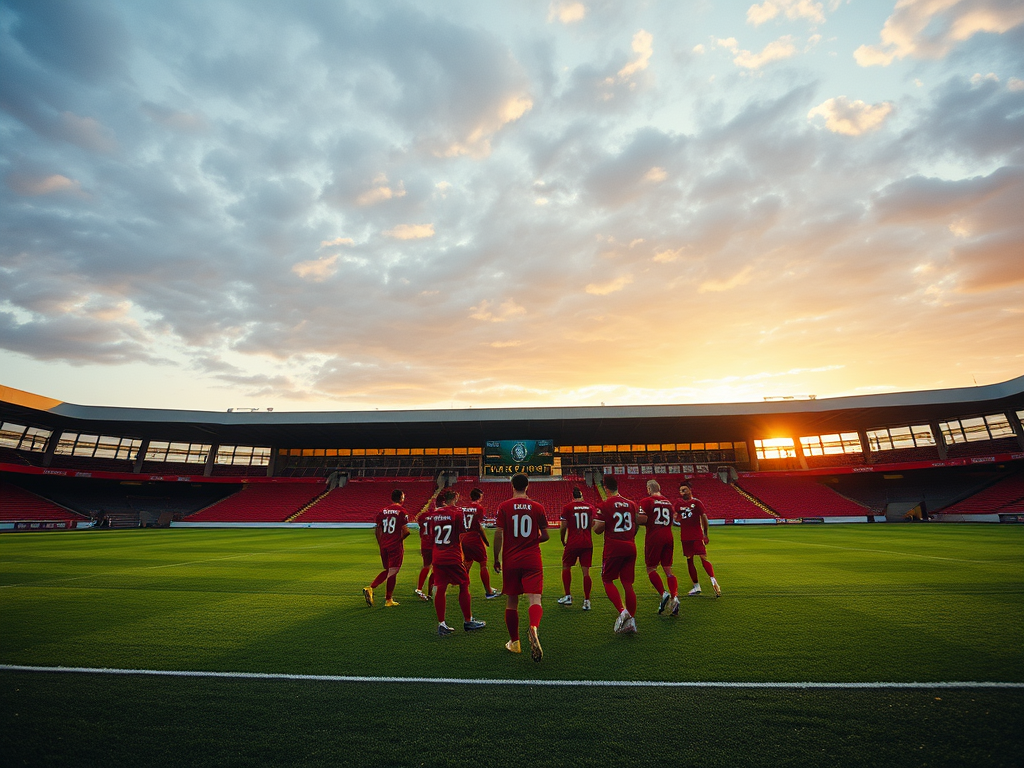
The team’s first competitive match took place in the FA Women’s Championship, where they showcased their potential right from the outset. The excitement was palpable as fans filled Leigh Sports Village, creating an electric atmosphere that echoed the sentiments of a club reborn. Each match became a celebration of talent, determination, and the indomitable spirit of the Red Devils.
Moreover, the establishment of the women’s team paralleled a broader movement within women’s football, with increasing visibility and support that had been building over the years. The FA’s investment in women’s football and the growing popularity of the Women’s Super League were pivotal in creating an environment where Manchester United could flourish. This decision was a catalyst, encouraging other clubs to take similar steps in embracing women’s football, leading to a more competitive and vibrant league.
As the years have progressed since that groundbreaking decision, Manchester United Women have made impressive strides on the pitch, earning their place among the elite in the Women's Super League. The team has not only attracted top talent but has also cultivated a fanbase that is passionate and committed. The success of players like Ella Toone and Alessia Russo has inspired young girls across Manchester and beyond to dream of a future in football.
Looking ahead, the foundation laid in 2018 continues to bear fruit, as the club aspires to challenge for major trophies and solidify its status as a powerhouse in women’s football. The significance of their formation goes beyond mere statistics; it signifies a commitment to change, empowerment, and the relentless pursuit of excellence.
In conclusion, the establishment of Manchester United Women in 2018 was a watershed moment not only for the club but for the sport as a whole. It has paved the way for dialogue around equality in sports, illustrating the profound impact that a single decision can have on the trajectory of an entire community. As the Red Devils continue to grow and evolve, they carry with them the hopes and aspirations of many, forever changing the landscape of women’s football.